Commercial Waste in Brockley

Commercial waste in Brockley needs a practical service that handles the day-to-day realities of businesses, landlords and managed premises without creating extra disruption. We collect and remove business rubbish, bulky unwanted items and mixed waste streams that have built up after operations, refits or regular workplace activity. The focus is on keeping commercial spaces clear, functional and ready for use, while separating materials where that is appropriate and supporting sensible disposal routes.
Our work covers a broad range of commercial settings, from small offices and studios to shops, hospitality premises and shared buildings. That can include recurring waste uplift, one-off clearances, and removal of items that do not belong in ordinary domestic collections. If you need a straightforward starting point, our service is designed to make the clearance process simple while still allowing for the specific requirements of the site and the material involved.
For a quotation, it helps to know what types of waste are present and how much needs to go. You do not need to prepare a full inventory, but clear details on access, loading restrictions and any unusual items make it easier to scope the work properly. If you are comparing options, take a look at our pricing and quotes page for a useful overview before you decide how to proceed.
Regular collections for business waste
Many Brockley businesses need a steady approach rather than a once-only clearance. Regular commercial waste collections help keep back-of-house areas, stores and shared workspaces from becoming overloaded. We can manage mixed business rubbish, packaging, office discard and routine items that arise as part of trading. Where waste is sorted in advance, collection can be more efficient; where it is mixed, the aim is still to remove it responsibly and with the least possible interruption.
Commercial collection work is often shaped by timing, access and the volume produced by the site. A busy shop or café may need a different rhythm from a studio, workshop or professional office. The most useful starting point is to match the service to the waste pattern rather than forcing every site into the same arrangement. If your requirements are simpler, our business waste removal page gives a direct route to the main service area.
What can be handled in routine collections
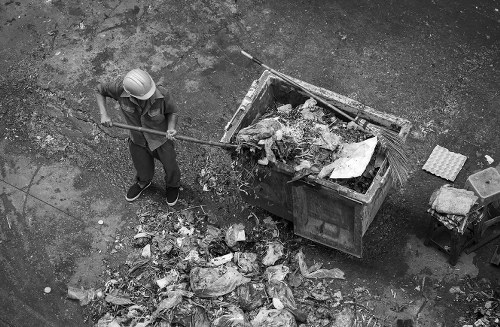
Routine commercial waste work commonly involves sacks, bin contents, cardboard, general refuse and non-hazardous items gathered from normal business activity. It can also include old fixtures and fittings that have been taken out during a small refresh, provided they are suitable for the agreed collection. We focus on removing the waste that is causing clutter, reducing manual handling where possible and keeping the job organised from the start.
It is useful to separate any material that needs special treatment from ordinary business rubbish. Confidential documents, electrical items, bulky furniture and certain controlled materials may need separate handling or different disposal routes. That distinction matters because it helps avoid delays and makes the quote more accurate. When you are ready to discuss the job, the details on our contact us page can help you request the right kind of response.
For some customers, a small recurring arrangement is enough; for others, the need is tied to a seasonal peak, a store tidy-up or a move between premises. The service can be scaled to suit the amount of waste and the site layout, rather than treating every collection as a major project. The outcome should be a cleaner working environment with waste moved on in a controlled and lawful way.
Clearance for offices, shops and shared premises
Commercial clearances are not only about sacks and general waste. Offices, shops and shared premises may also need the removal of desks, shelving, storage units, fixtures, display items and mixed contents left after reconfiguration. We handle these jobs as practical clearances rather than as heavy-handed strip-outs, which means the emphasis stays on removing what is no longer needed while keeping the remaining space intact and usable.
Office and retail work can involve a careful sequence: identifying what stays, what goes, and what needs to be kept separate for reuse, recycling or specialist handling. In some cases, the most efficient route is to clear a floor or room in stages. In others, a single visit is enough. If you want a broader look at possible commercial premises work, our office clearance page and garage clearance page show how different clearance types sit alongside the main waste service.
Bulky items and hard-to-move contents
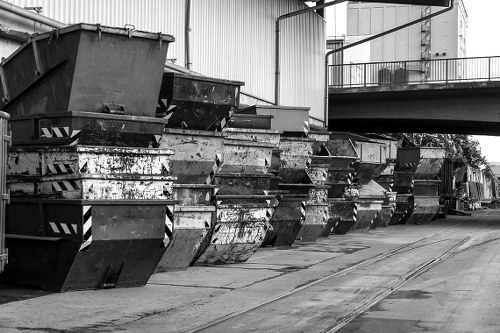
Large or awkward items can be part of a commercial waste job, especially where furniture, fixtures or stored contents have been left in place for some time. Bulky items often need more planning than loose rubbish because they may be heavy, awkward to carry or difficult to remove from upper floors and narrow access points. The aim is to keep the process orderly rather than rush the loading and risk avoidable damage.
Where items are still in good condition, reuse or redistribution may be possible; where they are worn, damaged or obsolete, they need to move through the correct disposal route. Good disposal decisions start with good identification, so it is worth noting what the items are and whether they are mixed with ordinary refuse. For furniture-related removals, the furniture disposal page and furniture clearance page provide helpful service context.
Bulky waste is often most straightforward when the route, exit points and lifting requirements are understood in advance. That does not mean the job has to be complicated; it simply means the service can be matched to the site rather than forcing everything through the same process. This approach is especially useful where business operations must continue while the clearance is under way.
Special items that need separate handling
Some commercial waste items should not be treated as ordinary refuse. Appliances, refrigeration units, mattresses, sofas, confidential paper and other specified items may need separate handling because they have different disposal requirements or require careful sorting. We can include these as part of a broader commercial clearance when they are listed clearly, helping avoid confusion at the point of collection and keeping the job organised.
Special items often influence the method more than the headline size of the job. A small number of regulated or awkward items may take more planning than a much larger amount of plain mixed waste. If your premises include these kinds of materials, describe them alongside the general waste so the quotation reflects the likely work. For related item-specific services, the fridge and appliance removal page and mattress and sofa disposal page are useful references.
Responsible disposal and sorting
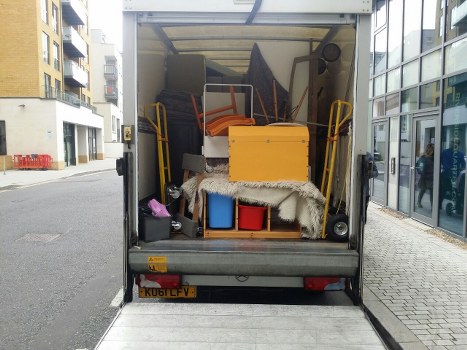
Commercial waste should be managed with an eye on sorting, recycling and lawful disposal. Where materials can be separated, doing so helps reduce what ends up as general rubbish and improves the overall handling of the load. Cardboard, reusable furniture, metal items and certain office materials may be directed differently from mixed refuse, depending on what is presented and how it is described. This is a practical part of the service rather than an extra flourish.
We also recognise that some businesses want a more considered approach to what leaves the site. That might mean separating reusable contents from waste, directing more suitable materials away from general disposal, or simply making sure the collection is handled neatly and without unnecessary fuss. If environmental handling is a priority for your organisation, the recycling and sustainability page explains the subject in more detail.
The right disposal route depends on the item, its condition and whether it needs special treatment. That is why accurate description matters. A few minutes spent identifying the waste can save time later and help keep the collection aligned with the correct handling process. For a wider view of our core service, the waste removal page gives a general entry point.
Planning a commercial collection
Planning a commercial waste collection is usually straightforward when the main points are clear. A useful enquiry tells us what kind of waste is involved, how much there is, whether it is bagged or loose, and whether access includes stairs, lifts, restricted hours or loading limits. The more precise the information, the easier it is to shape a sensible proposal for the work, especially when the job is tied to trading hours or shared access.
Two details matter especially: the type of waste and the conditions on site. A clearance from a ground-floor store room is very different from a collection involving upper floors, narrow corridors or heavy furniture. If you are preparing to move ahead, keep the notes brief but specific. You can also use our about us page to understand the business more generally before requesting a quotation.
Useful details to include when you enquire
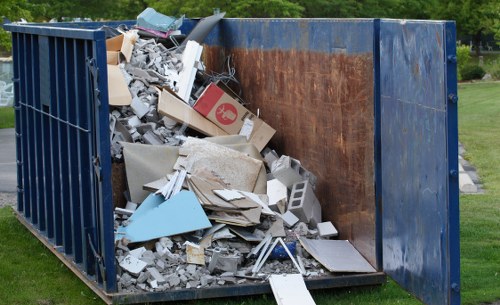
When you ask for a quote, a small set of facts is usually enough to begin with. These can include approximate volume, item types, whether the waste is inside or outside, and whether the site has any access restrictions. If there are materials that need separate handling, say so early. A concise description tends to produce a more accurate assessment than a vague one, particularly where the collection includes mixed or bulky contents.
It is also helpful to mention whether the collection is a one-off or part of a broader recurring arrangement. Some clients only need a single uplift after a clear-out or change in use, while others need a repeat service that fits around trading. Either way, the aim is to keep the arrangement practical and proportionate. If you are ready to make contact, the final step is simple: request a quotation.
Commercial waste in Brockley works best when the service is matched to the premises rather than pushed into a generic template. A well-described enquiry lets the job be planned cleanly, the right waste streams be considered, and the clearance be carried out with fewer surprises on the day. That is especially valuable where the space needs to keep functioning while the waste is removed.
Business waste for changing premises
Businesses do not stay static. A move, refit, downsizing or change of use can all produce waste that falls outside the ordinary weekly routine. In these situations, a commercial waste collection can sit alongside a broader clearance so that unwanted contents, broken items and leftover material are removed in one organised process. The aim is to leave the space ready for the next stage without unnecessary clutter behind.
Change-of-use work often combines several kinds of waste, and that is where clear sorting becomes valuable. Office furniture, packaging, redundant stock, shelving and mixed refuse may all appear together, but they do not always need to be handled in the same way. Where a more specific service is needed, the house clearance and home clearance pages show related clearance options, while this page remains focused on the commercial side.
About Brockley
[IMG_?]Brockley is a district in the London Borough of Lewisham, in south-east London, known for its strong rail links, varied residential streets and a character that combines Victorian and Edwardian housing with later infill development. The area has long been shaped by the railway, with Brockley station forming an important local link and nearby stations such as Crofton Park and Honor Oak Park helping to define movement across the neighbourhood. Much of the built environment reflects late nineteenth- and early twentieth-century suburban expansion, with terraces, semis and mansion-style blocks giving many streets a recognisable rhythm and scale. Alongside the housing, Brockley has a lively local centre around Brockley Cross and the surrounding roads, where independent shops, cafés and community life contribute to the area’s identity. The locality also sits within a wider part of south London that has retained green and open spaces, including access to parks and stretches of the Waterlink Way corridor. Hilly ground appears in parts of the district, and the streetscape changes noticeably between higher residential routes and lower-lying roads closer to transport lines. Brockley has an established cultural reputation too, with galleries, music events and creative activity adding to its profile. The result is a place that feels both ordinary and distinctive: a residential area with a clear everyday function, but also one with a recognisable history, architecture and local character that have developed over time.
Practical support for varied commercial sites
Commercial waste work can look different from one site to the next. A small practice office may need document-heavy clearances and modest furniture removal, while a shop, workshop or food business may need mixed waste taken away after a reset or routine accumulation. We approach these jobs by identifying what is actually present and then matching the work to that material, rather than assuming every site needs the same method or amount of labour.
For larger or more mixed premises, it can help to break the waste into manageable zones: storage, front-of-house, office, back-of-house and external holding areas. That gives a clearer picture of what should be moved first and what should be left in place. Where premises produce waste regularly, the collection can be arranged to fit the operating pattern rather than interrupt it. If you need a more focused entry point for premises work, the builders waste clearance page may also be relevant where refurbishment debris is involved.
Making the quotation process straightforward
A good quotation starts with practical facts, not lengthy explanations. Tell us what needs removing, how much there is, and whether any parts of the job are likely to need extra care. If the waste includes specialist items or mixed materials, mention them separately. If the premises are busy or have restricted access, say so at the outset. That helps keep the quotation aligned with the actual job rather than with assumptions.
When the job is well described, the next step is usually easy. You can compare the information, decide whether the service suits the site and then move forward without unnecessary delay. If you want a simple next step, use the details on our book online page or return to contact us for a quotation request. Either way, the aim is to make commercial waste removal in Brockley clear, practical and easy to arrange.