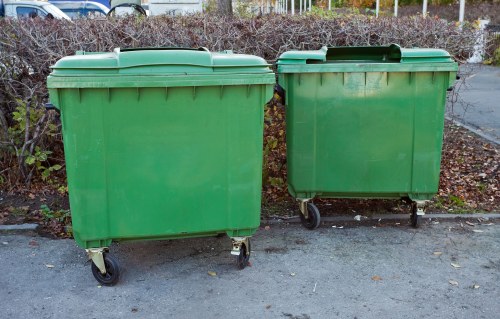
Commercial Waste Brockley — Recycling and Sustainability
Our approach to sustainable waste management for businesses in and around Brockley is built on measurable goals, practical services and active local partnerships. As a neighbourhood-focused commercial waste Brockley provider, we combine efficient collection systems with a commitment to an eco-friendly waste disposal area and a circular-economy mindset. This page explains how our Brockley commercial waste work supports borough-level recycling schemes while advancing low-carbon operations and social reuse.Recycling targets and measurable performance
We have set a clear recycling percentage target for all commercial clients: a progressive goal to achieve 70% recycling and reuse of collected materials from commercial sources by 2030. This target is aligned with local environmental ambitions and borough guidance on waste separation, encouraging businesses to maximise dry recyclable streams, organic food waste capture and separated glass and metal recycling. By tracking materials tonnage and diversion rates, our reporting shows improvements quarter-on-quarter, helping local firms meet their sustainability objectives.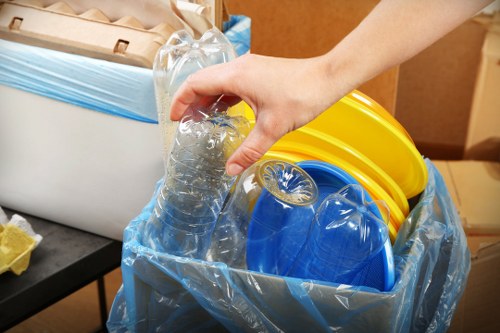
Local transfer stations and logistics
Collections from commercial premises are routed through nearby transfer hubs and depots across Lewisham and neighbouring boroughs to ensure fast, compliant processing. We work with local transfer stations in Lewisham and adjacent areas (including Deptford and Catford transfer points) to reduce double-handling and to ensure materials go to the right facilities for recycling or recovery. Key operational elements include:- Efficient transfer routing to minimise vehicle miles and keep emissions low.
- Segregation at source and at depot to improve material quality.
- Regular audit trails for traceability and reporting.
Partnerships with charities and reuse networks
We prioritise reuse and redistribution as part of our sustainable rubbish Brockley strategy. Our commercial reuse pathways connect businesses with local charities and social enterprises to divert reusable items from landfill. Partnerships include local reuse schemes, community projects and national charities that operate in the area — working together with second‑hand networks, furniture reusers, and appliance refurbishment groups. By redirecting good-condition items, we deliver social value, reduce disposal costs and support local communities.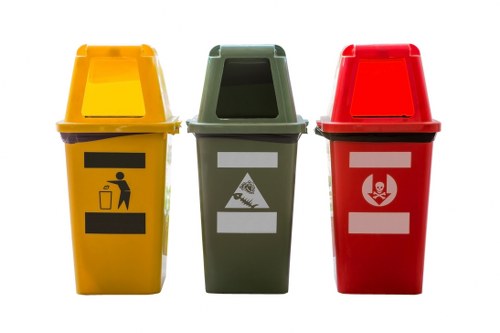 Fleet decarbonisation and low-carbon vans — Our fleet strategy reduces emissions across the collection chain. We use a mix of electric and low-emission vans for final-mile collections in high-density Brockley streets and hybrid/Euro-6 diesel vehicles for longer transfer runs where electric charging is less feasible today. Additional measures include route optimisation software, telematics to monitor idling and driver behaviour, and scheduled electrification of smaller vehicles. These interventions lower carbon intensity per tonne of waste and help clients report on Scope 1 & 3 emissions tied to their waste output.
Waste separation and material-specific recycling are shaped by borough policies. Typical streams handled in our commercial recycling Brockley contracts include:
- Mixed dry recycling (paper, cardboard, plastics and cans) — collected silver-bag or wheeled-bin ready.
- Food and organic waste — captured separately for anaerobic digestion or composting.
- Glass and metal — sorted to preserve purity for local reclamation.
- Bulky and WEEE (electronics) — processed through certified reuse and recycling channels.
Sustainable disposal area and landfill diversion
Creating an eco-friendly disposal area means designing onsite and depot processes that keep materials moving back into productive use rather than to landfill. For commercial waste services in Brockley, that involves segregated storage bays, clear signage for staff, regular training and scheduled collections to prevent contamination. Our objective is to reduce general refuse volumes and progressively increase the share of material reprocessed or reused.
Monitoring, audits and continuous improvement
We conduct regular waste audits to identify contamination, optimise bin layouts and establish stream-specific capture rates for different business types — from cafés and restaurants to small retailers and light industrial units. These audits feed into action plans that include targeted communications, staff training and incentives to increase capture of high-value recyclable material. Transparency in recording and reporting allows businesses to demonstrate progress toward the Brockley commercial waste recycling percentage target and meet their own corporate sustainability commitments. To support a resilient local recycling ecosystem, we engage with local policy and community stakeholders. We collaborate with borough recycling initiatives that emphasise source separation for glass, cans, plastics and food waste, adapting our commercial rubbish Brockley services to mirror residential streams where practical. By aligning with municipal schemes and regional transfer networks, we help prevent cross-contamination and support high-quality recycling output destined for remanufacture or energy recovery.
What businesses can expect — For companies using our services, expect integrated collection schedules, a mix of low-carbon vehicles and clear reporting showing tonnage, recycling percentage and carbon reductions. Our commercial waste Brockley packages are tailored by sector to focus on the most impactful materials and practical separation strategies.
Commitment to the local circular economy — We prioritise repair, reuse and remanufacture pathways, amplifying value from commercial waste streams and working to ensure fewer resources are wasted. Through relationships with social enterprises and reuse charities, surplus goods get a second life, while materials unsuitable for reuse are routed to high-standard recycling facilities or energy recovery where necessary.
Long-term vision — Our ambition is to make the Brockley area a demonstrable example of sustainable commercial waste management: high recycling rates, low emissions from collections and tangible community benefit through charitable partnerships. By setting a strong recycling percentage target, using local transfer stations wisely, working with charities for reuse, and investing in low-carbon vans, we aim to transform commercial waste into a resource for the borough.
